
Cement Prices in South Africa: What a 50kg Bag Actually Costs

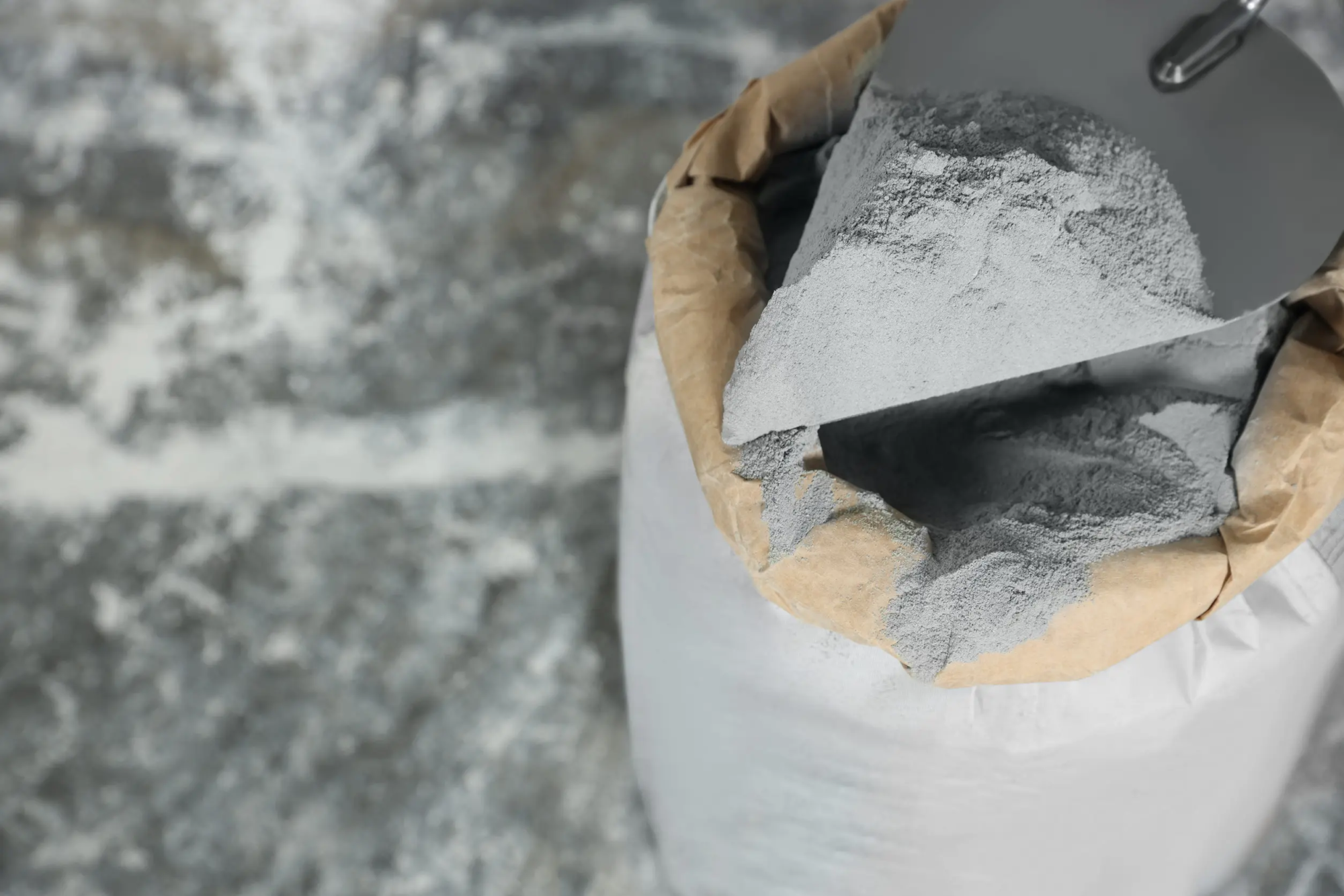
Cement is the one line item on every building quote that people think they can estimate from memory. Then they get to the counter and find that a bag costs what it costs, and the difference between a rough estimate and the real price is a few thousand rand across a project.
This is what the numbers actually look like, what moves them, and how to avoid paying retail prices on a bulk quantity.
What cement costs right now
At the time of writing, a standard 50kg bag of 32.5N cement at our Wynberg, Sandton branch is R84.99. That is the number that matters if you are buying a few bags for a small job.
Two things change quickly on that figure, and both are worth knowing before you budget:
- Grade. 32.5N and 42.5N are not the same product and are not priced the same. The number refers to the compressive strength class, and 42.5N is the stronger, more expensive mix used where higher early strength is needed.
- How many you buy. Per-bag pricing improves with quantity, which is why the pallet price and the single-bag price are different conversations.
The products people confuse with cement
A large share of over-budgeting comes from buying the wrong material, or buying all of them when one would do:
| Product | What it is for | Indicative price |
|---|---|---|
| 32.5N cement, 50kg | General building work, mortar, plaster, foundations | R84.99 |
| 42.5N cement, 50kg | Higher-strength structural work | Higher than 32.5N |
| Tile adhesive, 20kg | Fixing tiles – not a cement substitute | R44.99 – R64.90 |
| Building sand | Mixed with cement to make mortar and concrete | Priced per cube or load |
| Concrete mix | Pre-blended aggregate and cement | Priced per cubic metre |
The critical point: cement is not mortar and it is not concrete. Buying cement alone for a job that needs concrete means buying aggregate separately, and that usually works out more expensive per cubic metre than a pre-blended mix unless you are pouring at volume.
What actually drives the price up
- Brand. Branded cement carries a premium over house brands, and on general building work the performance difference is often not worth the difference in price.
- Delivery. This is the big one and the one people forget. Delivery to site costs money, and it is a flat cost regardless of how small the load is. A single pallet of cement delivered ten kilometres can cost more in transport than the bags themselves.
- Distance from the supplier. Sandton and Alexandra buyers pay less in transport than someone forty kilometres out, purely because of distance.
- Time of year. Building materials prices move with demand cycles, and the busy season is not when you want to be buying in a hurry.
- Storage. Cement that sits on site and takes on moisture is wasted money. Bags should be off the ground, under cover, and used in order of delivery.
How to work out what you actually need
Getting the quantity roughly right before you buy is the single most effective way to control this cost:
- Estimate by volume, not by gut. Measure the area or volume you are filling or plastering.
- Convert to bags. The mix ratio determines how much cement each cubic metre of mortar or concrete consumes. Your supplier will give you the figure for the mix you are using.
- Add a realistic allowance. Wastage is real, but an allowance of 20% usually means 10% too much sitting in the rain.
- Price the delivery. Get the transport figure before you commit, and check it against collecting it yourself.
Bulk versus retail: where the money actually moves
For small jobs, retail per-bag pricing is correct and simple. For anything substantial, the arithmetic changes:
If you are buying a pallet rather than a pocketful of bags, ask for the quantity price and the delivery price together, so you are comparing landed cost to landed cost. A supplier quoting a lower unit price with a higher transport charge is not cheaper, and this is where most comparison shopping goes wrong.
It also pays to buy from somewhere you can get to without arranging a truck. We are on Pretoria Main Road in Wynberg, which puts us within easy reach of Alexandra, Kramerville, Bramley and Woodmead. For buyers in those areas, collecting small quantities is often cheaper than paying delivery.
Getting the quantity and the price right
If you are pricing a job and want real numbers rather than estimates, look at what we are charging today and work back from your quantities. Current pricing is always on the category page: see our live cement prices and available grades.
And if you are not sure which grade or which blend your job needs, ask before you buy – it is a far cheaper conversation than redoing work.
Bags, pallets or bulk: which way to buy
There are three ways to buy cement, and each is correct in a different situation:
- Single bags suit repairs, small mixes and topping up. You pay the highest price per kilogram, and that is fine because the quantities are small.
- Pallets suit a project with a known bag count – a slab, a large plaster area, a run of foundations. The per-bag price improves, and one delivery covers the job.
- Bulk or silo supply only makes sense at genuinely industrial volumes, where the handling equipment justifies itself. For a house or a small commercial build, it does not.
The mistake in the middle is buying “some now and some later” on a job big enough to justify a pallet. You pay retail twice and delivery twice, and the second delivery can cost more than the price difference you were trying to avoid.
Storing cement so you do not lose money on it
Cement that has taken on moisture is cement you have already paid for and cannot use properly. Three habits prevent it:
- Keep bags off the ground. A pallet or a sheet of board stops ground moisture drawing up through the paper.
- Cover them, but let air move. A sealed plastic sheet over a sweating bag traps moisture in rather than keeping it out.
- Use the oldest first. Rotate stock so nothing sits at the back of the pile for months.
A lumpy bag can still be salvaged, but it needs to be broken up and screened before use, and it should keep away from structural work. Buying to the correct quantity in the first place avoids the problem entirely – which is another reason the quantity estimate matters more than the per-bag price.
Frequently asked questions
How much does a 50kg bag of cement cost in South Africa?
It depends on the grade, the brand and the quantity you buy. A standard 32.5N 50kg bag is currently R84.99 at our Sandton branch, with 42.5N higher because of its higher strength class. Bulk quantities are priced lower per bag than single bags.
Is 42.5N cement worth the extra cost?
For general building work, plaster and mortar, 32.5N is usually adequate. 42.5N is worth the premium where higher early strength is genuinely required for structural work. Buying the stronger grade for a job that does not need it is money wasted.
What is cheaper – buying cement or ready-mixed concrete?
For small jobs, bagged cement and mixing on site is usually cheaper. As volume increases, pre-blended mixes and ready-mix deliveries start to win on both cost and consistency, so it is worth comparing per cubic metre rather than per bag.
Does delivery really add much to the price?
Yes, and it is the most commonly underestimated cost. Delivery is charged per trip rather than per bag, so it carries a disproportionate cost on small orders. For small quantities in the Sandton area, collecting is often cheaper than delivery.
On this page
- What cement costs right now
- The products people confuse with cement
- What actually drives the price up
- How to work out what you actually need
- Bulk versus retail: where the money actually moves
- Getting the quantity and the price right
- Bags, pallets or bulk: which way to buy
- Storing cement so you do not lose money on it
- Frequently asked questions